 By create_admin
From Scraps to Soil: DIY Composting for Small Spaces
You don’t need a big yard to make compost. Whether you live in an apartment, condo, or just have a small patio, you can turn your kitchen scraps into rich, garden-ready soil. All it takes is the right setup and a little consistency.
Why Compost?
Composting reduces waste, cuts down on garbage bills, and creates a nutrient-rich amendment for your plants. Instead of tossing food scraps in the trash, you can feed your soil. And if you’re growing anything—herbs, flowers, vegetables—healthy soil is everything.
Best Composting Methods for Small Spaces
1. Vermicomposting (Worm Bins)
Perfect for indoors or patios. Red wigglers eat food scraps and produce “black gold.” You’ll need:
- A plastic storage bin with holes drilled for airflow
- Bedding (shredded paper, coconut coir)
- A handful of red wigglers (Eisenia fetida)
Feed them fruit and veggie scraps (no citrus, no meat), and they’ll repay you in castings.
2. Bokashi Buckets
This is anaerobic composting—meaning no oxygen required. A sealed bucket with a spigot, inoculated bran, and layers of food scraps. It ferments your waste, which can then be buried in soil to finish decomposing.
3. Countertop Composters
Electric composters speed up the breakdown of food scraps. Great if you want quick, low-maintenance results. They’re pricier, but mess-free and odorless.
4. Balcony Bins
Use a 5-gallon bucket or a plastic storage bin with drilled holes. Layer green (wet) materials like food scraps with brown (dry) materials like shredded paper or dried leaves.
What You Can (and Can’t) Compost
YES:
- Fruit and veggie scraps
- Coffee grounds and filters
- Eggshells
- Shredded newspaper or cardboard
- Tea bags (check for plastic-free)
NO:
- Meat, dairy, oil
- Citrus (for worm bins)
- Pet waste
- Glossy paper
Keep It From Getting Gross
- Smell? Add more browns.
- Fruit flies? Bury scraps deeper.
- Too wet? Mix in dry paper or coconut coir.
- Too dry? Add a splash of water.
Harvesting Your Compost
Worm bins: After 2–3 months, shift contents to one side, add fresh bedding and food to the other. Worms will migrate, letting you scoop out finished compost.
Bokashi: After fermenting, bury it in soil for 2–4 weeks before using.
Balcony bins: Finished compost looks dark, crumbly, and earthy. Sift out larger chunks if needed.
Use It Wisely
- Mix into potting soil for container plants.
- Sprinkle around garden beds.
- Brew compost tea for a plant-friendly liquid fertilizer.
Bonus Project: Build a DIY Worm Bin
You’ll need:
- Two stacking plastic bins with lids
- Drill for holes
- Shredded newspaper
- Worms
Drill holes in one bin (sides and bottom), nest it inside the other to catch liquid (“worm tea”). Add bedding, worms, and scraps. Keep it in a dark spot like under the sink.
Final Thoughts
Composting doesn’t need to be messy, smelly, or complicated. With the right method, even the smallest space can turn waste into something wonderful. This is DIY that closes the loop—and makes your plants (and planet) a lot happier.
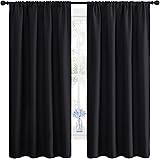
NICETOWN Black Blackout Curtain Blinds - Solid Thermal Insulated Window Treatment Blackout Drapes/Draperies for Bedroom (2 Panels, 42 inches Wide by 63 inches Long, Black)
$11.99 (as of March 16, 2026 20:24 GMT +00:00 - More infoProduct prices and availability are accurate as of the date/time indicated and are subject to change. Any price and availability information displayed on [relevant Amazon Site(s), as applicable] at the time of purchase will apply to the purchase of this product.)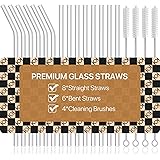
18-Pack Glass Straws, Reusable Clear Glass Drinking Straws Set, 8.5 Inch x 10mm - Includes 8 Straight and 6 Bent with 4 Straw Cleaner Brush, Perfect for Smoothies, Milkshakes, Juice, Tea
$5.01 (as of March 16, 2026 20:24 GMT +00:00 - More infoProduct prices and availability are accurate as of the date/time indicated and are subject to change. Any price and availability information displayed on [relevant Amazon Site(s), as applicable] at the time of purchase will apply to the purchase of this product.)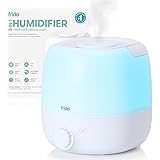
Frida Baby 3-in-1 Cool Mist Humidifier for Large Rooms, Top Fill Humidifier for Bedroom, Allergy Relief, 60 Hour Runtime + Nightlight, Auto Shut-Off, Quiet, Carry Handle, Essential Oil Diffuser
$44.97 (as of March 16, 2026 20:24 GMT +00:00 - More infoProduct prices and availability are accurate as of the date/time indicated and are subject to change. Any price and availability information displayed on [relevant Amazon Site(s), as applicable] at the time of purchase will apply to the purchase of this product.)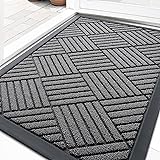
OLANLY Front Door Mat Outside Entrance 29.5x17, Absorbent, Heavy Duty Sturdy Natural Rubber Doormat Indoor Outdoor, Stain and Fade Resistant, Non-Slip Low Profile Floor Mat for Entryway, Grey Diamond
$8.99 (as of March 16, 2026 20:24 GMT +00:00 - More infoProduct prices and availability are accurate as of the date/time indicated and are subject to change. Any price and availability information displayed on [relevant Amazon Site(s), as applicable] at the time of purchase will apply to the purchase of this product.)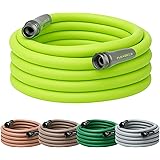
Flexzilla Garden Hose 5/8 in. x 50 ft., Lightweight All-Weather Water Hose, Durable and Flexible, Leak-Free Connections
$37.18 (as of March 16, 2026 06:49 GMT +00:00 - More infoProduct prices and availability are accurate as of the date/time indicated and are subject to change. Any price and availability information displayed on [relevant Amazon Site(s), as applicable] at the time of purchase will apply to the purchase of this product.)
Ambiant Pet Friendly Solid Color Area Rugs Off White - 3' Square, Indoor, Stain Resistant, Perfect for Living Room, Bedroom, Dining Room, Entryway, Pet & Kids Friendly Rug, Wedding, Made in USA
(as of March 16, 2026 20:24 GMT +00:00 - More infoProduct prices and availability are accurate as of the date/time indicated and are subject to change. Any price and availability information displayed on [relevant Amazon Site(s), as applicable] at the time of purchase will apply to the purchase of this product.)